Australasia’s hotel development landscape is being reshaped by an industry-wide shift in how hotels are branded, managed and powered by technology platforms. That shift is creating a very specific window for specialist third party operators like Trilogy Hotels. Across the region, we see three converging forces.
Firstly, the traditional full management model is giving way to brand franchising and flexible structures, as major brands drive their franchising platforms and owners seek stronger alignment between operating performance and investment returns. STR data indicates that for Australian hotels with more than 50 rooms, only a minority operate under traditional brand management agreements, with a rapidly growing share now franchised and the vast majority independent. This is a structural gap that white-label operators are beginning to fill.
Secondly, the maturity of cloud-based distribution, revenue, and property management platforms means owners can now separate “brand” from “operations”, combining global brand engines with local, focused, independent, data-driven management to unlock EBITDA.
Thirdly, capital is increasingly focused on execution: in a market where new supply, construction costs and financing conditions remain challenging, investors are seeking partners who can deliver growth and outperformance at the asset level.
For Trilogy Hotels, this is the moment for which we were built. As a pureplay independent management platform, we work with our brand partners and owners to curate an environment with the right brand, tech stack, and on-property leadership team for each asset, while remaining entirely focused on owner returns, growing careers, and guest experience.
We are seeing strong interest from city, urban, and regional owners who want big-brand demand engines without sacrificing local agility, whether that’s a major conversion like Courtyard by Marriott Darwin or bespoke strategies for investment-grade independents.
Over 2026 and 2027, we expect Australia’s under-penetrated third-party management segment to expand rapidly. This will be driven by more complex brand and deal structures, deeper adoption of integrated management platforms, and a clear premium for operators who can translate this complexity into sustainable EBITDA growth for owners, care for teams, and experiences for guests.
Hotel industry speakers said Australia’s next generation of leaders would need commercial discipline, adaptability and strong people skills as AI, constrained supply, mixed-use development and shifting guest expectations reshaped the sector.
The 2026 AHICE Future Leaders Forum was hosted by the respected Professor Simon Pawson, Associate Dean of the Blue Mountains International Hotel Management School. Professor Pawson is a key figure in hospitality education and industry and is heavily involved with AHICE, frequently moderating panels, speaking on industry trends, and welcoming the next generation of leaders.
Future leader panelists close AHICE Asia Pacific 2026
The Future Leaders Forum 2026 examined career pathways, leadership resilience, hotel development, operations, technology and the importance of building industry networks. The discussion was framed by the hotel school’s role in developing talent, with Pawson noting that industry input remained essential to producing graduates of value. The school’s evolution from its 1991 origins to campuses in Sydney, Melbourne and Adelaide was used to underline the sector’s growing need for executive education, applied management training and research-led industry partnership.
The first panel, hosted by Tristan Cooper of Marriott International, explored careers in hotel property and development. Speakers from Colliers, CBRE, JLL, Accor and Trilogy Hotels said many had entered hotels indirectly, often through broader property, valuations, law or operations roles. Sam Abel from Colliers described hotels as “a sub-sector almost in its own little area of property”, while Taylor Morris rom CBRE said she knew quickly that hotels were where she wanted to stay because it was “such a dynamic sector” and “such a beautiful asset class”. Chris Boyd from JLL brought an operations-led background, saying every job he had held had been “somewhat related to hotels.”
A recurring theme was the variety of hotel work. Josie Hungerford from Trilogy Hotels said her first major multi-hotel deal showed her that “no deal has been structured the same and every deal has been different”. The panel agreed that hotels demanded both technical knowledge and human skills. Valuations were identified as a strong foundation for understanding KPIs, value drivers and investor expectations. Hungerford said her legal background had been useful, not only for knowledge, but for “conflict resolution, negotiation, communication”, and relationship building.
Future Leaders Forum Panelists
Looking ahead, the panel identified AI, constrained supply, mixed-use development and branded residences as defining issues. Chris Boyd said AI would affect “every realm within our industry, from ops to brokerage”, while Taylor Morris from CBRE argued that rising construction and labour costs would restrict new supply and support occupancy, rates and existing asset values. Mixed-use projects were seen as a practical response, with hotels increasingly positioned within broader “living” and destination precincts.
A leadership discussion with 1834 Hotels Executive Chairman, Andrew Bullock, interviewed by Serene Capital Strategy and Investor Relations Manager Amelia Perez and CBRE Asia Pacific Senior Negotiator – Capital Markets, Hotels, Nick Hill, focused on managing uncertainty. Andrew compared the GFC and COVID, noting that each presented distinct challenges but that both reinforced the importance of resilience and balance sheet strength. His key advice was that “there is always a way through”, and he told younger leaders to “keep going, keep the line, keep your head up and just try and make good decisions every single day”. On AI, Andrew compared its impact to the adoption of the internet, saying its efficiency gains were already evident in tasks such as food and beverage displacement analysis. He said AI literacy would become “one of those absolute key skills” for future leaders.
The final panel, led by Scott Barton of EVT, looked at operations and career pathways. Nick Lockyer from Accor said hotels had allowed him to turn “pulling beers into a career,” and later move from operations to development. Jessica James, GM of QT Canberra, contrasted this with a more deliberate path, saying she had known from age 15 that she wanted a hotel career and had become a GM at 24 after taking regional and international opportunities. James Clark of Ovolo Hotels stressed empowerment, describing an internal “Shark Tank” concept where staff at all levels contributed ideas, including a rooftop beehive that produced 45 kilograms of honey.
The closing YHL (Young Hotel Leaders) update reinforced networking as a career accelerator. Speakers from Brisbane, Canberra and Adelaide described YHL as a practical network for young hotel leaders across operations, valuation, legal, construction and investment disciplines. Its expansion to Adelaide was presented as further evidence of a sector investing in its next generation.
All panelists and hosts agreed that future leaders needed resilience, curiosity and confidence with technology, while the industry had to keep investing in talent, mentoring and networks that helped emerging professionals build meaningful, long-term careers.
Media Release – Government of South Australia – Tuesday 5 May 2026
Adelaide’s accommodation sector is experiencing record investment, with a new Hilton Hotel in the city’s East End the latest project in an unprecedented pipeline of hotel developments.
The new Hilton Adelaide East End will be built at 299 Pirie Street, marking the next chapter in the brand’s long-standing presence in the city. Spanning 27 stories, Hilton Adelaide East End will be a 251-room new-build hotel. Developed under a franchise agreement with Auriga Investments and to be operated by Trilogy Hotels, the hotel will form part of Arcadia, a contemporary mixed-use project set to revitalise the eastern end of the CBD.
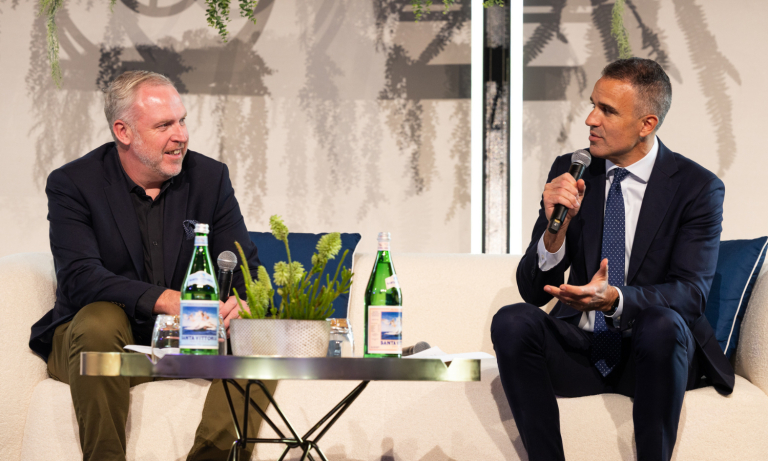
In conversation, James Wilkinson, AHICE President and South Australia Premier, The Hon Peter Malinauskas MP. Image Source: Hotel Management
Across the Adelaide area, 15 hotels are currently in various stages of development − 11 in the CBD including the 35-storey Treehouse Hotel next to the Adelaide Central Market, which is scheduled for completion at the end of this year. Four hotels are underway in the outer metro area including the five-storey Panaroma Hotel on Goodwood Road, which is near completion. Two hotels opened last year the seven-storey George Hotel at Glenelg and Urban Rest Hackney Hotel.
In total, the hotel pipeline will see an additional 2,161 rooms added to Adelaide’s accommodation offering. The Hilton in Victoria Square was last year bought by Thai hotel group Amora Hotels and Resorts which plans to spend $40 million upgrading the site into a five-star luxury offering. Hilton’s announcement comes as more than 1,500 hotel investors from across the globe gather in Adelaide this week for the Asia Pacific Hotel Industry Conference and Exhibition.
“Our state is experiencing undeniable economic momentum. People are looking to South Australia to invest in. This unprecedented growth in the accommodation sector is a direct result of our investment in major events, including MotoGP. Investments like these create jobs during construction, long-term employment within the hospitality sector and support our tourism and hospitality industry more broadly. The momentum is set to continue with the largest hotel conference in the Asia Pacific region here in Adelaide this week. This is where the industry comes together, partnerships are formed and hotel deals are done.”
– Peter Malinauskas
“These sorts of investments further support South Australia’s growing reputation as a world-class destination state. Our unique tourism offerings and calendar of events continue attract visitors from interstate and abroad and it’s important our accommodation sector grows with our status. Hilton has a long history in Adelaide and it’s fantastic that their story will continue with a new chapter in our city’s vibrant East End.”
Two years ago today, Trilogy Hotels was born out of a big dream—to build a hotel management company with people at the centre of everything we do.
Our purpose is simple: to serve our owners, guests, and teams. Trilogy Day is more than an anniversary; it’s a moment to celebrate the extraordinary community that makes us who we are.
Trilogy Hotels’ real magic isn’t only in our independent, agile business model—though that’s delivering fantastic results for our owners. The difference is our people. It’s our community that brings genuine hospitality to life every single day.
We have endless gratitude to those who make Trilogy Hotels’ vision real:
Our Hotel Owners – whose trust made this journey possible from day one.
Our GMs and hotel teams – creating thousands of magic moments for guests and each other.
Our Industry Partners – proving daily that ours is an industry of wonderful people doing extraordinary things.
Our Families – who support and encourage us to chase our dreams and reach new heights.
Our Brand Partners – who’ve embraced Trilogy and built incredible partnerships with us.
Our Guests – without whom we would have no business, and no “why”.
THANK YOU
The Australian hotel industry is evolving rapidly. At Trilogy Hotels, we embrace the freedom to dream big, move fast, rise to the challenge of change, act boldly, and actively shape our future together. Our belief matches our passion for hospitality; we live by the ethos of being good and doing good for everyone on this journey with us.
Thank you, Tony Ryan and Grant Alchin; you are remarkable business partners, this simply would not have happened without you. To the Trilogy Hotels tribe, you are the absolute best in the business; I am proud to work with you. To every single person in our orbit, your support makes this incredible journey possible.
Looking forward, we see a bright future: a strong portfolio, an exciting pipeline of things to come, and the privilege of working alongside extraordinary people, doing what we were meant to do. It does not get any better than that!
Two years on, we are grateful and energised. Although we celebrate two fantastic years today, we’re only just getting started.
Happy Trilogy Hotels Day Everybody – Exciting Times Ahead.
In HM’s 2025 Australasian Development Outlook, Trilogy Hotels Chief Executive Officer, Scott Boyes, shares key opportunities and insights into Australasia’s evolving hotel development landscape.
There are exciting times ahead as we navigate through 2025. Australia’s hotel sector, whilst choppy, continues to demonstrate remarkable resilience with national occupancy rates at 71% and RevPAR up 3.8% to $171. Despite ongoing challenges, this growth creates a landscape ripe with both hurdles and opportunities.
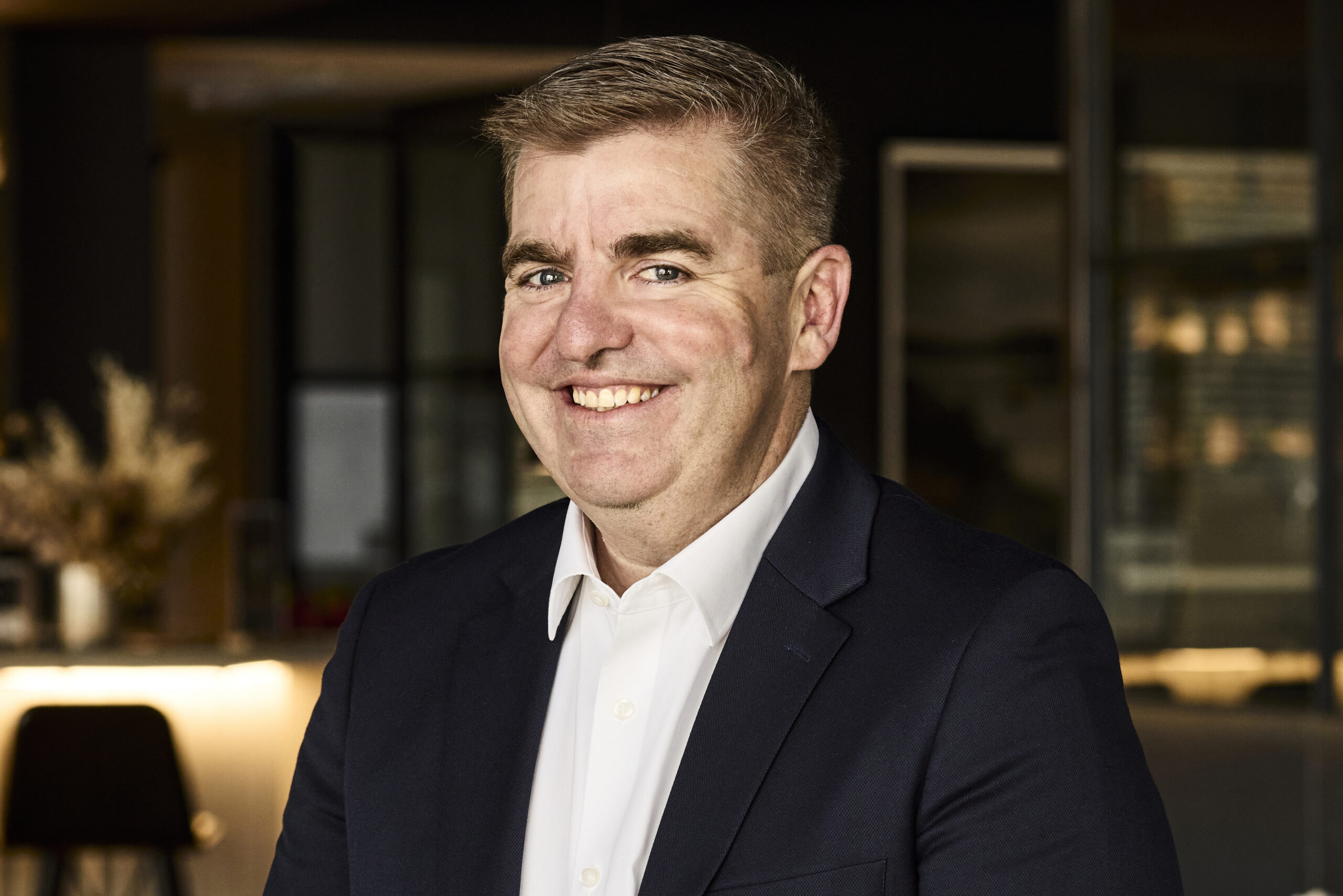
Scott Boyes, Trilogy Hotels
Sydney leads the recovery charge with occupancy at 78% and RevPAR growing to an impressive $215, making this market our standout performer. Conversely, Melbourne and Hobart continue to face headwinds from supply increases and slightly softening domestic leisure demand.
In New Zealand, we see a similar dichotomy—Queenstown, Christchurch, and Rotorua benefit from returning international visitors. Auckland is grappling with increased room inventory, and Wellington is adjusting to reduced government spending.
Third-party management, stakeholder experiences, and technology integration are key trends reshaping our industry. Eco-certified properties are no longer niche but necessary, with major operators prioritising this. The premium/luxury segments continue to expand, particularly with branded residences attracting both domestic and international guests.
The premium and experiential hotel segments present compelling opportunities. Properties offering immersive experiences command premium rates as travellers increasingly value authenticity over standardisation. We’re also seeing strong performance in market mix diversity, where segments combine to offset the ups and downs of current economic and global conditions.
After subdued transaction activity in 2024 ($1.25 billion in transactions to October), we anticipate increased momentum in 2025 as interest rates plateau. While construction costs have tempered new developments, this has heightened the value of existing assets, particularly in supply-constrained markets. In addition, developers are also sourcing creative ways to deliver economically viable hotel projects.
Introducing 60 new international flight routes enhances Australia’s connectivity to key Asian markets, North America, and Europe, further strengthening investment fundamentals for strategically positioned assets.
For Trilogy Hotels, we are excited and optimistic about the future. We remain focused on markets demonstrating strong performance outcomes for owners while selectively exploring opportunities in emerging destinations where we can leverage these evolving consumer preferences and travel patterns.
Trilogy Hotels was proud to sponsor the Airport City Summit 2025, hosted by the Western Sydney Leadership Dialogue. The event took place at the William Inglis Hotel in Sydney on 13 March 2025.
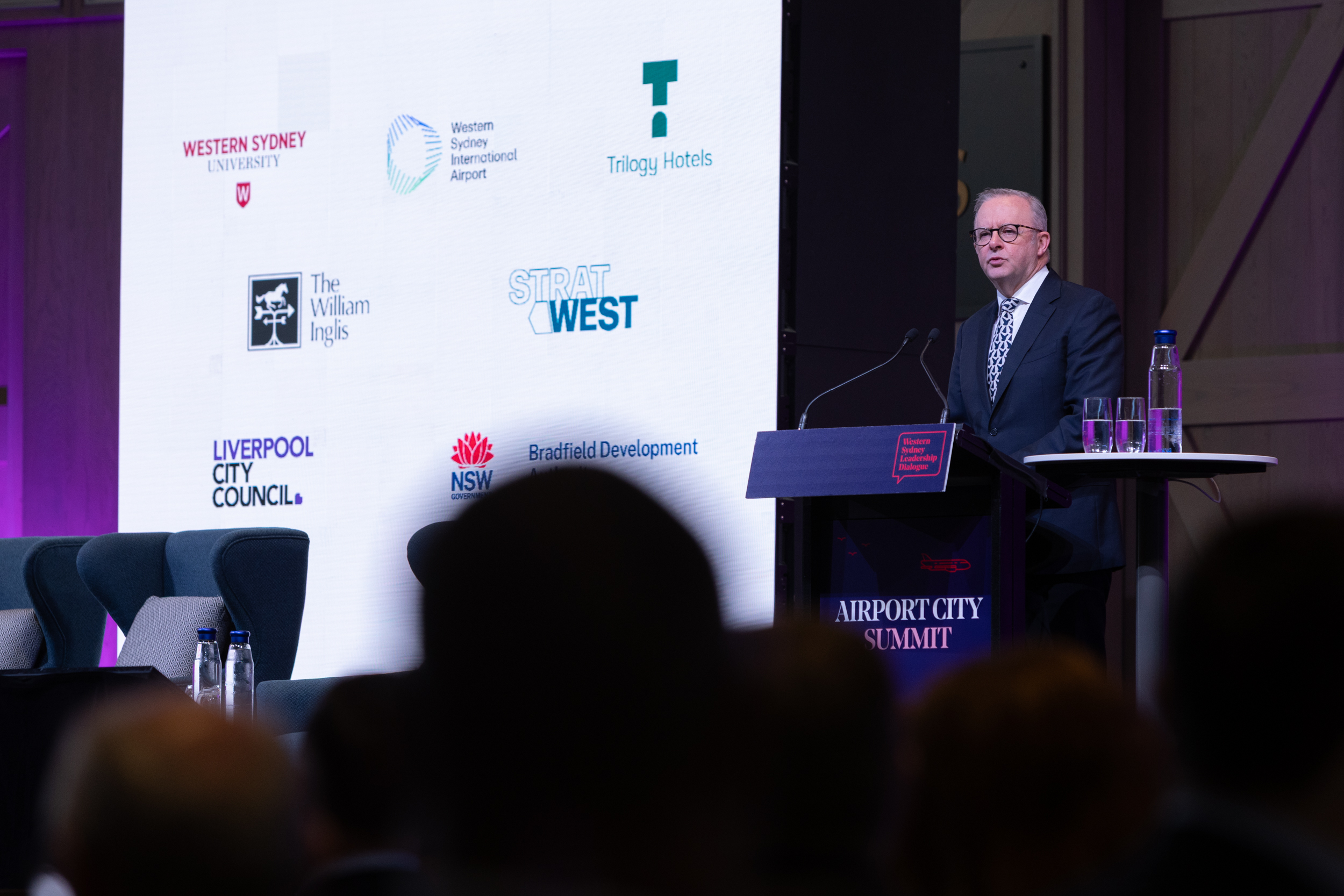
The summit gathered federal, state, and local government leaders, including Prime Minister Anthony Albanese, along with key industry stakeholders, to discuss transformative advancements in Western Sydney alongside the opening of the Western Sydney International Airport in late 2026.
Prime Minister Anthony Albanese speaking at the Summit, WSLD.
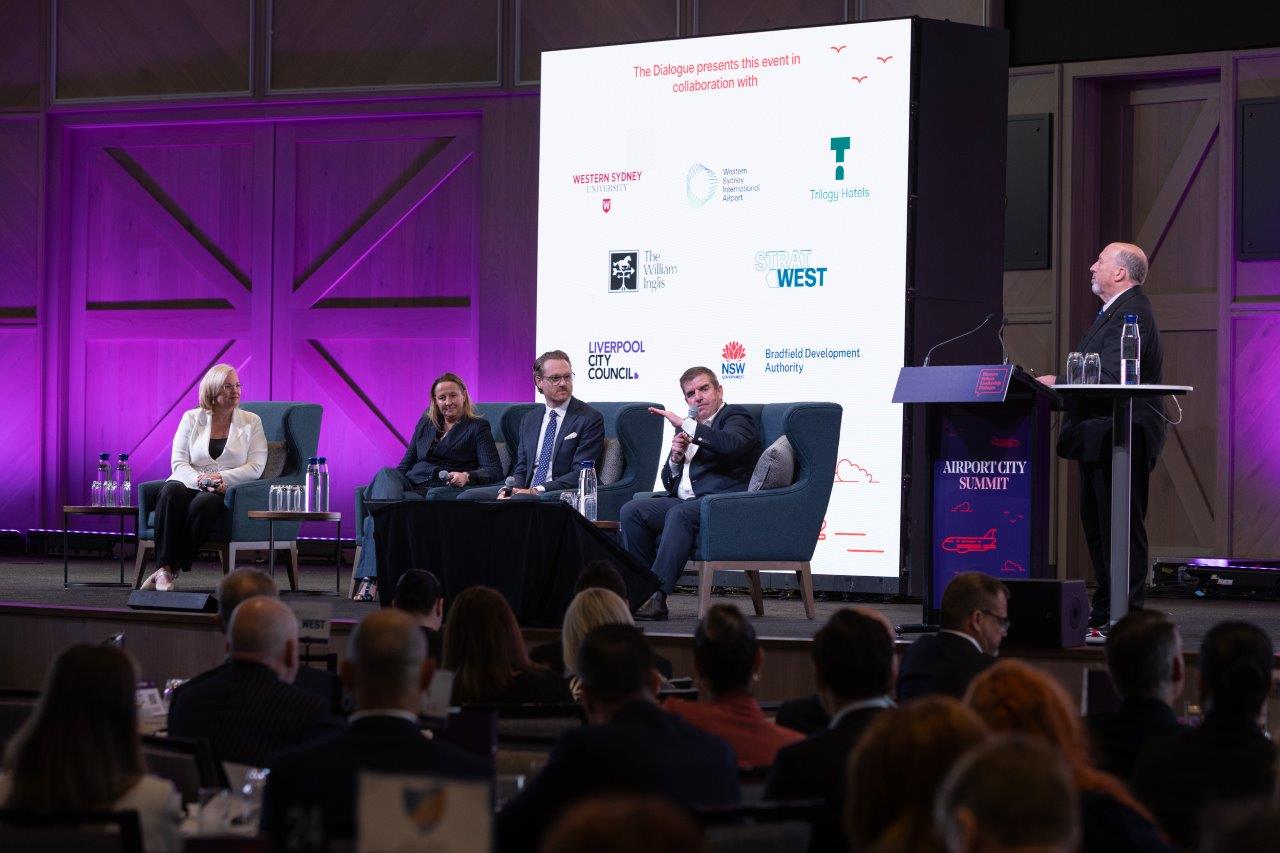
Trilogy Hotels CEO, Scott Boyes, was a featured speaker on the visitor economy panel entitled, “How to Welcome the World to the West.”
Scott emphasised the importance of collaborative governance and public and private partnerships to seize this once-in-a-lifetime opportunity to create a world-class tourism precinct. He underlined the necessity of developing sustainable demand drivers and coordinated attractions that benefit individual communities as well as the entire region.
Scott Boyes speaking on the visitor economy, WSLD.
Trilogy Hotels is committed to supporting the growth of Western Sydney, and we look forward to bringing people together to shape its future as a premier tourism and economic hub.
Exciting news for Western Sydney’s future and NSW tourism!
At Trilogy Hotels, we’re thrilled to see the Minns Government’s ambitious plans for NSW’s visitor economy, which align perfectly with our vision for Western Sydney’s development.
The government has just announced a bold new goal of $91 billion in annual visitor economy expenditure by 2035 – a 40% increase from the previous target. This growth is expected to create up to 150,000 new jobs, with $44 billion (48%) of the total spend projected for regional NSW.
Key points from the announcement that support our vision:
• The need for 40,000 extra hotel rooms across NSW, a 41% increase on current availability
• Focus on ‘experience tourism’ and celebrating First Nations culture
• Increased aviation capacity, including the Western Sydney International Airport opening in 2026
As we’ve been saying, Western Sydney is poised to become a major tourism destination and economic powerhouse. The government’s strategy reinforces our call for:
• Creating sustainable tourism attractions beyond the airport
• Developing a skilled hospitality workforce
• Encouraging government incentives for new tourism projects
• Reimagining Sydney’s tourism offering with Western Sydney at its heart
Trilogy’s vision aligns perfectly with the government’s strategy: “We need to extend the vision for Sydney beyond the harbour and reimagine Sydney’s tourism offering, including a built-for-purpose Western Sydney. This is the jewel in the crown.”
Let’s work together to make Western Sydney a compelling destination for visitors and a thriving hub for locals. With the government’s support and our industry’s efforts, we can truly build a “growth engine” not just for NSW, but for all of Australia.
In the dynamic world of our great hotel industry, two primary management models stand out: Branded Operator and Independent Management Company (IMC).
In the case of the Branded Operator, the branding company is also the management company, as exemplified by well-known names such as Hilton and Marriott. In this case, the hotel owner enters into an agreement with the Branded Operator, who conducts and supervises the day-to-day operations of the hotel and makes available its brand and distribution system. In some cases, the brand company will, under a franchise agreement, provide only its brand and system, leaving management to the owner or an Independent Management Company.
Independent Management Companies, as the name suggests, manage the hotel on behalf of the owner and do not prescribe or even require a brand. However, if the owner wishes, the IMC can operate the hotel with the benefit of a brand and system under a franchise agreement. Initially prevalent among smaller hotels, this approach has evolved to include large-scale corporate and luxury hotel properties.
The surge in popularity of third-party/IMC agreements underscores owners’ increasing preference for flexibility and input into how their assets are operated. It has also shown that IMCs can yield higher profits, all while aligning seamlessly with brands as franchise partners and thus creating an ecosystem where everyone plays to their strengths.
Trilogy Hotels is an Independent Management Company. It is a privilege to apply our skills and experience for our current and future hotel partners.


 Australian hotels with more than 50 rooms, only a minority operate under traditional brand management agreements, with a rapidly growing share now franchised and the vast majority independent. This is a structural gap that white-label operators are beginning to fill.