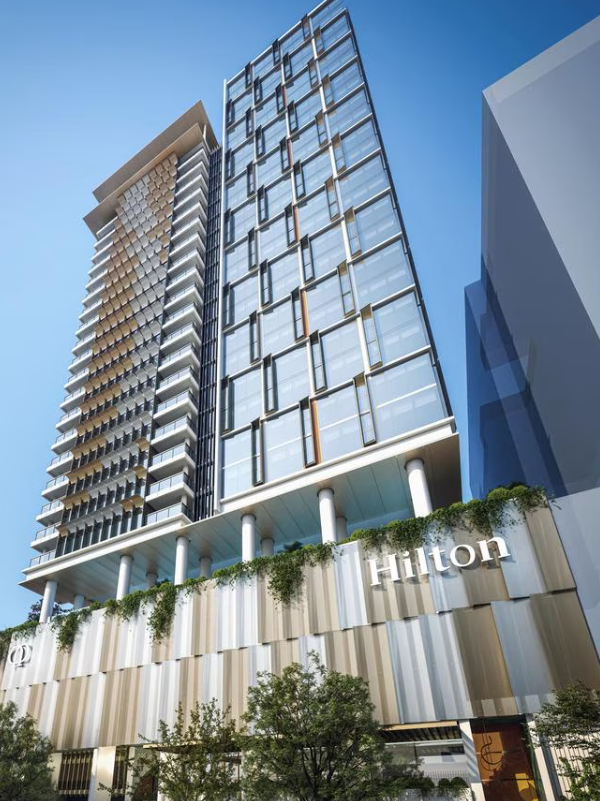
DoubleTree by Hilton joins Deicorp’s new Western Sydney precinct, with Trilogy Hotels appointed as hotel operator.
- Hilton has signed DoubleTree by Hilton Parramatta, a 100-room hotel slated to open in late 2028 at 34 Hassall Street in Parramatta.
- The hotel will form part of a mixed-use development by Deicorp Group and will be operated by Trilogy Hotels.
- The signing introduces Hilton to Parramatta and strengthens the company’s Greater Sydney pipeline in one of Western Sydney’s fastest-growing commercial and infrastructure hubs.
Parramatta is set to welcome DoubleTree by Hilton, with Hilton bringing the brand to one of Western Sydney’s fastest-growing commercial and infrastructure hubs.
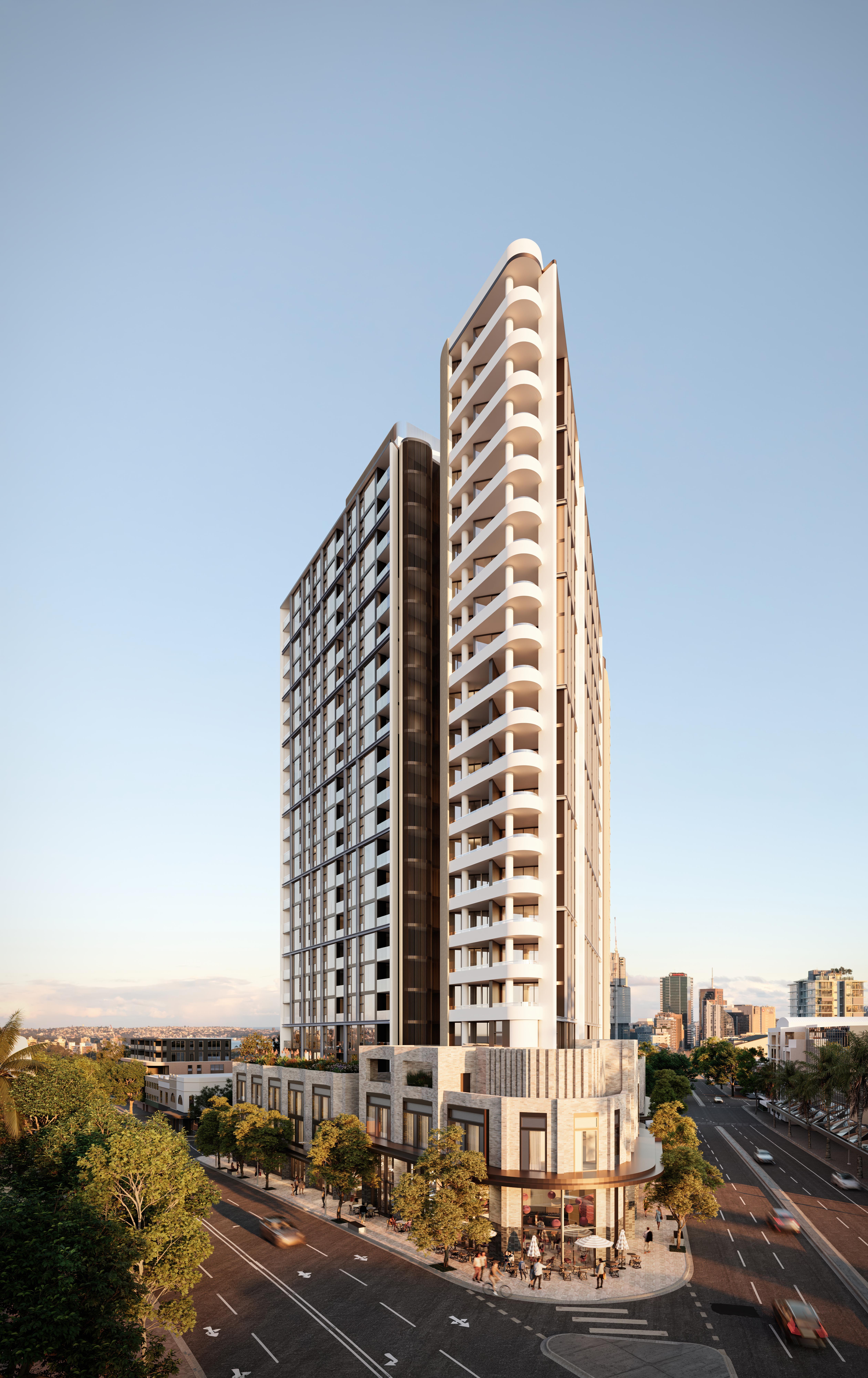
The 100-room hotel, set to open in late 2028, forms part of Deicorp Group’s Cosmopolitan mixed-use project, which will deliver 597 apartments, retail, commercial, and dining to the area.
The announcement comes as Western Sydney’s visitor economy enters a period of significant expansion, driven by population growth, major infrastructure projects and the opening of Western Sydney International Airport. Industry analysis has identified a growing need for accommodation supply in the area, with major events highlighted as a key driver.
Trilogy Hotels has been appointed to operate the new hotel under a management agreement with Deicorp. It is the third hotel precinct the companies have undertaken together, building on their successful track record of delivering and operating hotels across Sydney.
Tushar Raniga, Director of Development Hilton Australasia, said Parramatta’s growing economic base and connectivity made it a strong fit for the DoubleTree by Hilton brand.
“The signing of DoubleTree by Hilton Parramatta reflects Hilton’s continued growth momentum in Australasia and our strategy to expand in high-demand urban markets where we see long-term opportunity,” said Mr Raniga.
“With Parramatta emerging as Sydney’s second central business district, supported by major infrastructure investment and a diverse demand base, this is a strong fit for DoubleTree by Hilton. We are pleased to build a new relationship with Deicorp Group and continue our partnership with Trilogy Hotels as we strengthen Hilton’s presence in Greater Sydney.”
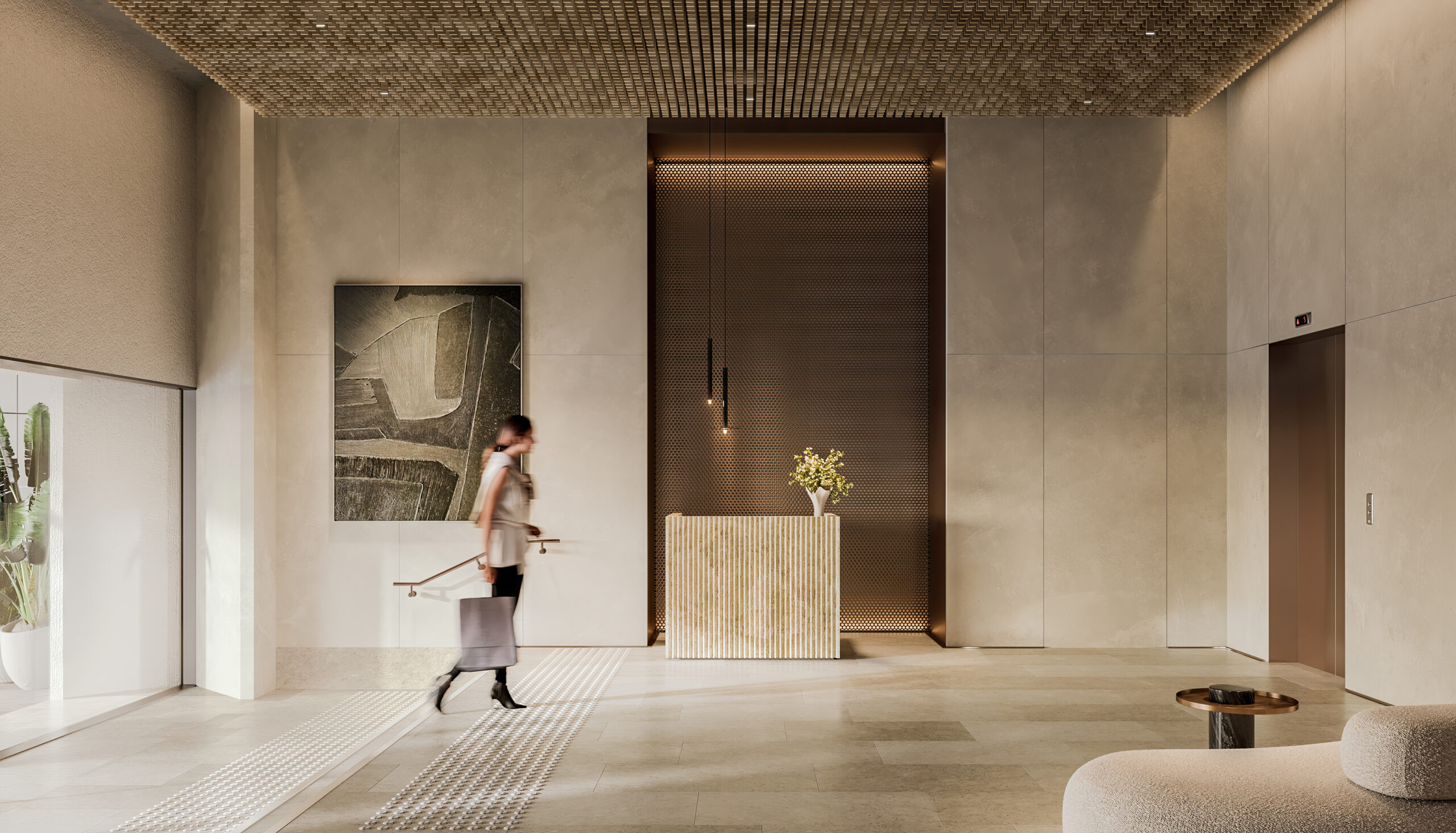
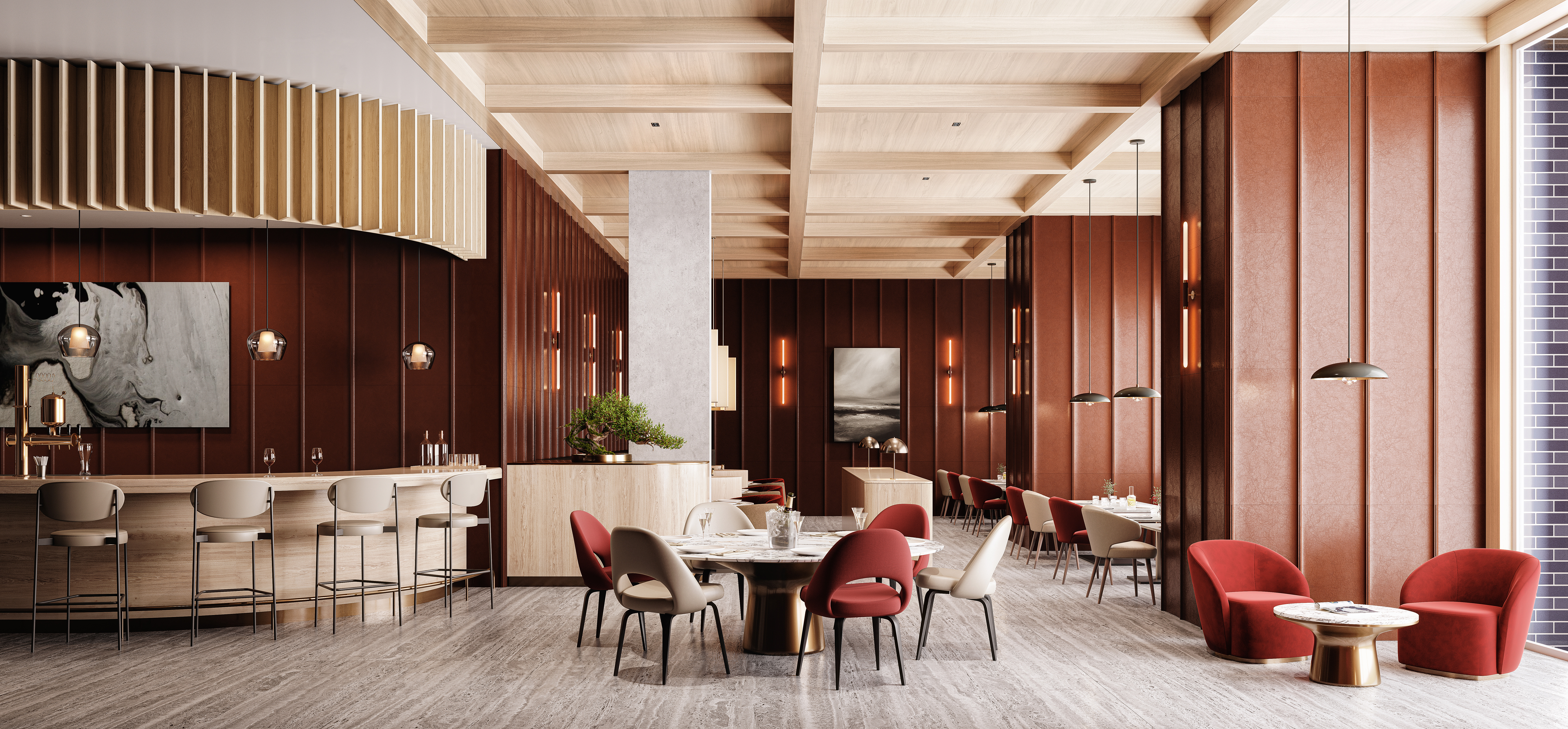
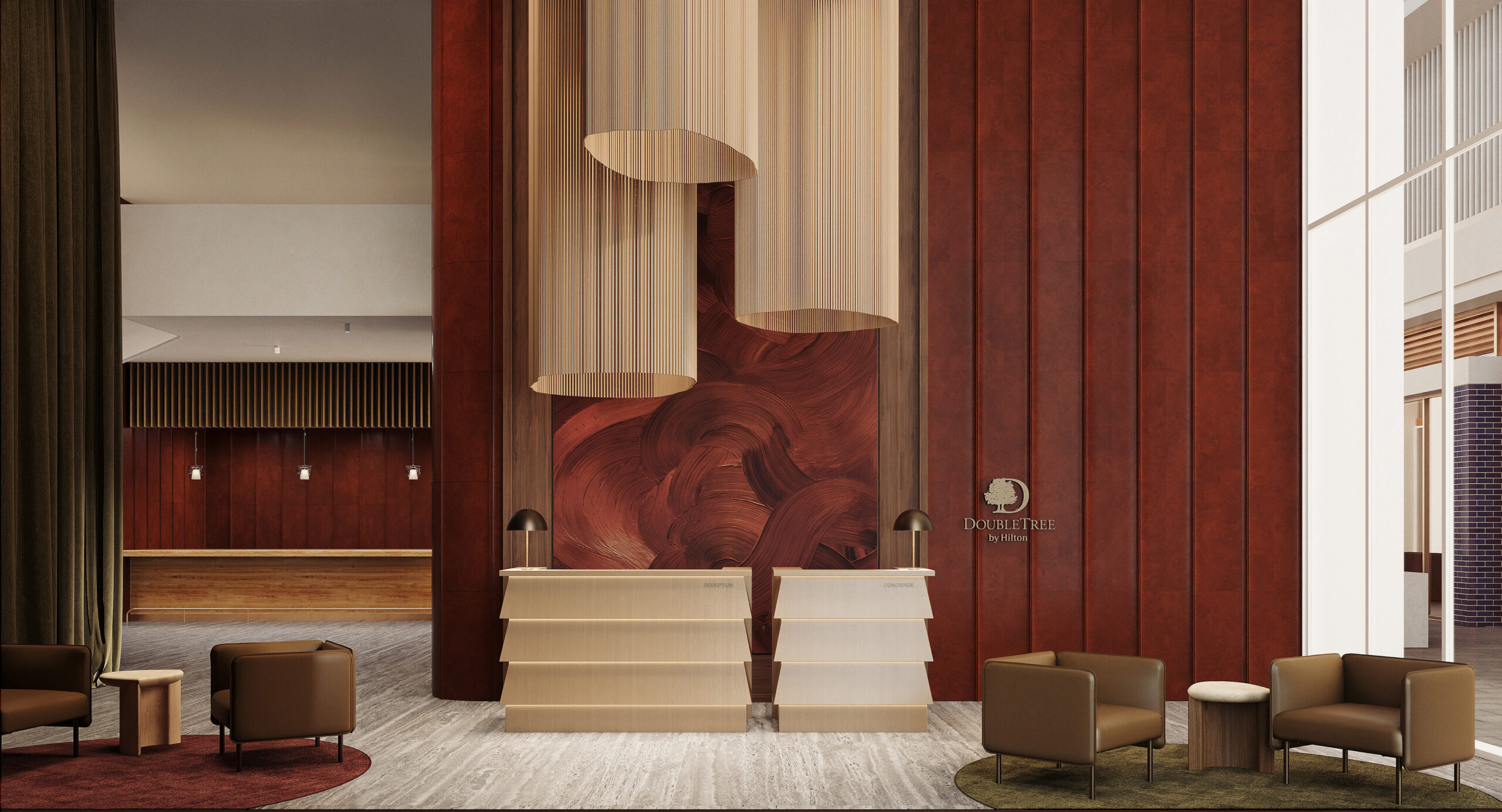
The hotel will offer 100 guest rooms ranging from 20 to 45 square metres, an all-day dining restaurant and lounge, 667 square metres of event space including meeting rooms, a boardroom and pre-function spaces, as well as fitness and wellness facilities.
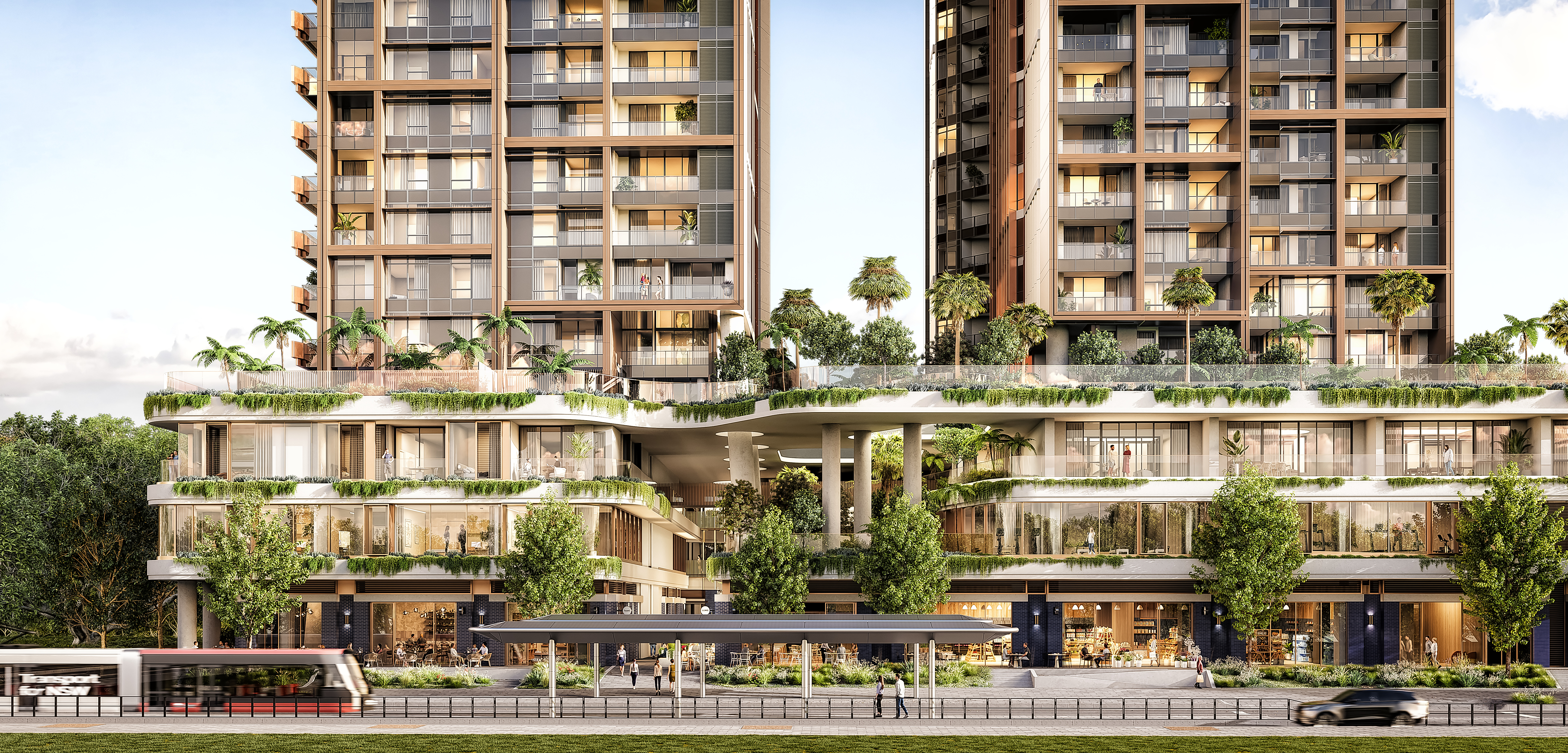
Public transport will be a major drawcard, with the Parramatta Light Rail stop directly beside the precinct, and Parramatta Railway Station and Wharf nearby. The upcoming Sydney Metro will add another major connection, while Parramatta Square, Westmead Health Precinct, and Western Sydney University are also within easy reach.
Deicorp Founder Fouad Deiri OAM said the hotel reflected the changing nature of Parramatta and the growing demand for quality hospitality in Western Sydney.
“Parramatta has become one of Australia’s most important economic and residential growth regions,” Mr Deiri said.
“Bringing DoubleTree by Hilton into Deicorp’s Cosmopolitan project is a natural fit for a location with this depth of corporate and leisure demand. Trilogy Hotels has been an invaluable partner on our other mixed-use hotel projects bringing unmatched regional expertise to this Western Sydney project.”
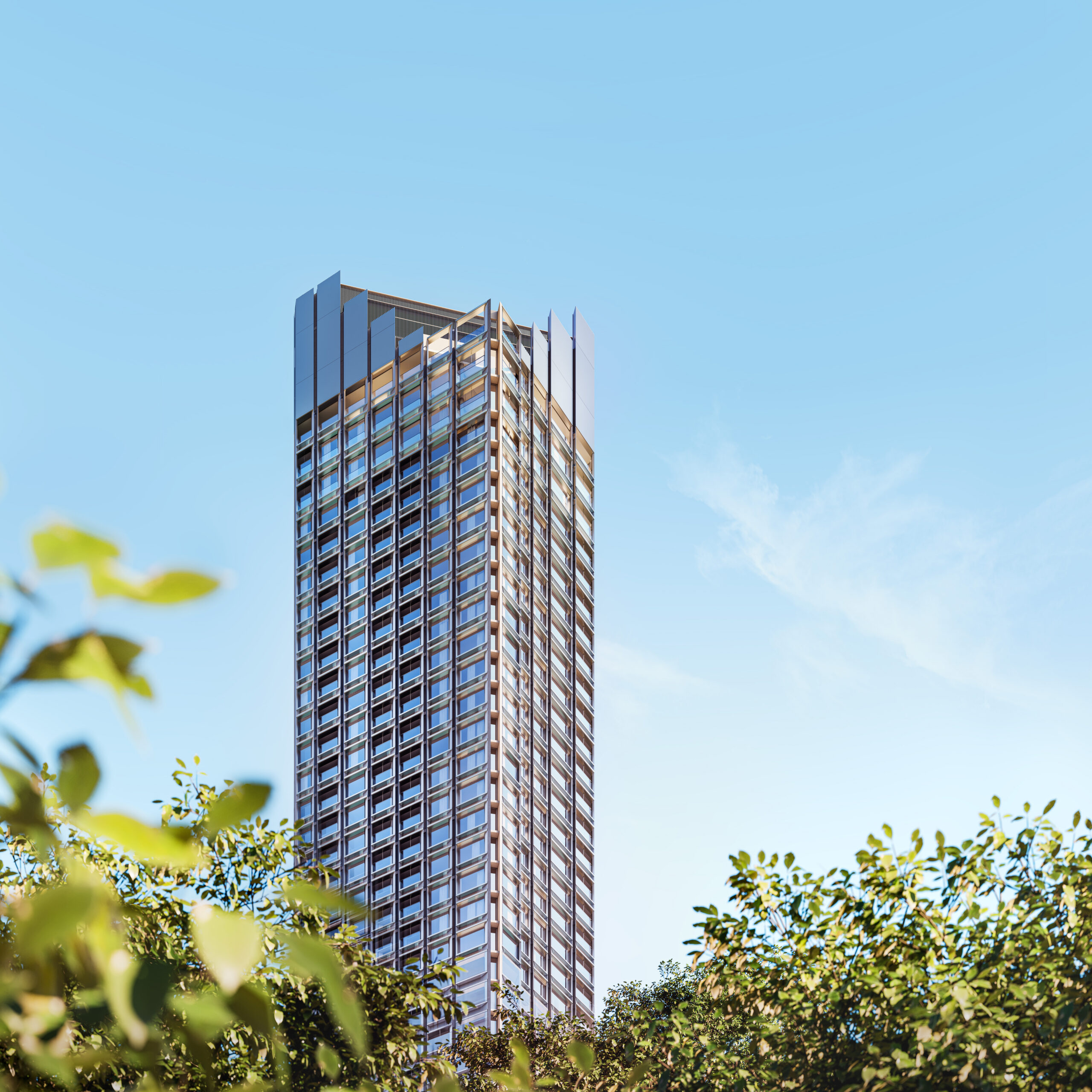
Designed by Turner Studio, Cosmopolitan will deliver a new urban village on the park-side edge of Parramatta’s CBD with 597 apartments across two 46-storey towers, and a three-storey podium incorporating retail, commercial, dining, and hotel. Construction is underway, with DoubleTree by Hilton Parramatta scheduled to open in the fourth quarter of 2028.
Trilogy Hotels CEO Scott Boyes said returning to work alongside Deicorp, this time with Hilton as franchise partner, reflected the kind of long-term partnerships Trilogy is built on.
“Partnership sits at the centre of how we operate and DoubleTree by Hilton Parramatta is a project where every party is genuinely invested in the outcome. Deicorp’s vision for the precinct, Hilton’s brand and distribution strength, and Trilogy’s local operating model each play a distinct role, and the whole is stronger for it,” Mr Boyes said.
“Parramatta’s transport links, its established commercial core, and the scale of new residential development make this one of the most credible hotel opportunities in Western Sydney. Our commitment to Deicorp and Hilton is to deliver a hotel that performs for owners, resonates with guests, and gives our team a workplace they’re proud of.